They say people come to look like their dogs; I suspect the people have more infuence on that than the dogs do, but are there other ways we could learn about ourselves from dogs?
I love dogs, I once heard someone on a radio phone-in about the best partner, and they said it was a dog – because no matter how late you come home, they will always be pleased to see you! Maybe that said more about the person ringing in, but I had a dog at the time, and knew this was wonderfully true – they are very loving creatures, and they don’t expect much really.
I know dogs have been bred to be appealing to humans, and it is often said people look like their dogs, but maybe we are more like dogs than we realise, or maybe we could just learn something from them.
One such thing struck me when my love of dogs caused me to be drawn to a video recently, about a dog who had been confined in a cage for many years. She was in a terrible state; not only was she cage bound, but she had clearly not been fed a balanced diet as she looked very unhealthy, mangy, and unattractive. She was afraid of humans and barked, growled, and tried to bite anyone who came too close. She was an aggressive dog… not one you would pick out for love.
Yet when someone had the patience to show her kindness, safely using a thick glove to gently, at her pace, get close enough to stroke her and show affection, she gradually responded and allowed herself to be touched.
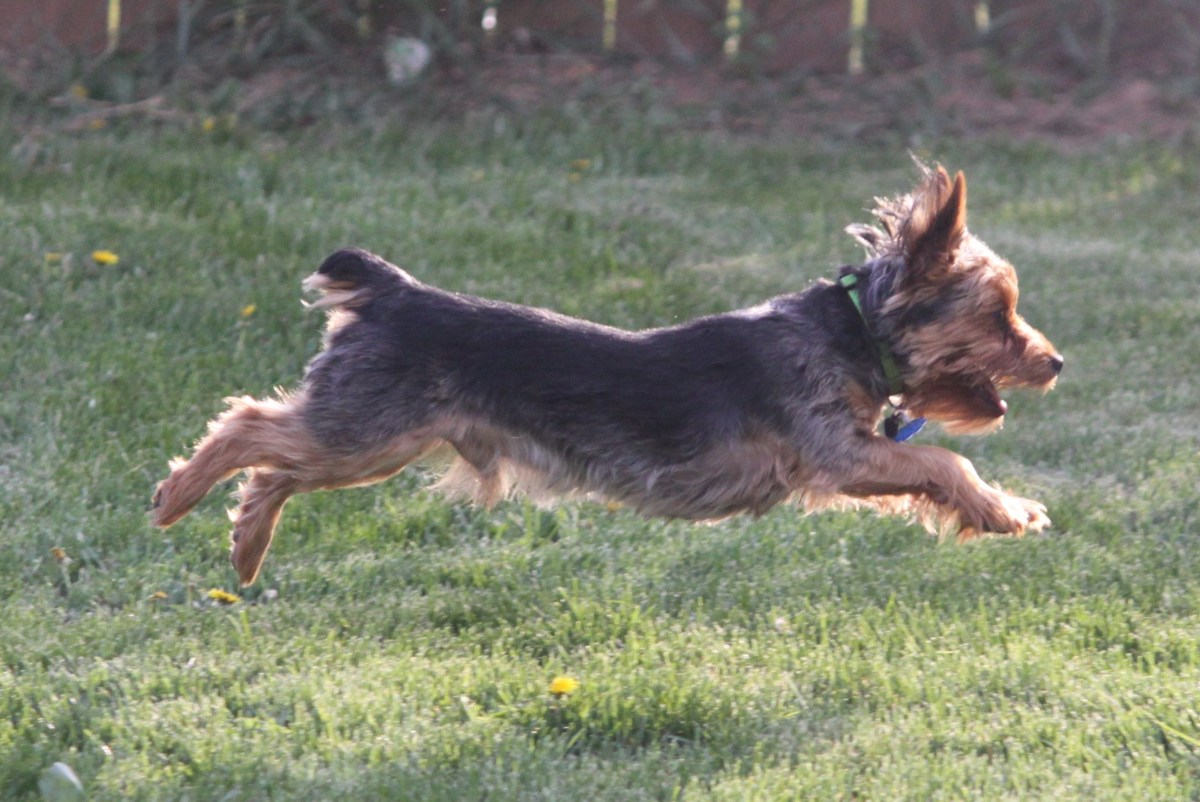
Over time she was transformed to a cheerful loving dog who wanted to give and receive affection and was fine with other dogs… tail wagging with happiness at meeting new kind people and just being free to run around and explore. Life was clearly good. There are few things so plainly joyful as a dog with a wagging tail making the most of being free.
It made me think that we humans are subject to some of the same reactions to negative things as dogs, and whilst we do not have tails to wag, we have our own ways to show when we are happy. We can also be aggressive; saying and doing things designed to push others away… generally speaking that does not make us attractive to those who are at the other end of the aggression.
When a dog is young having a cage can make them feel safe, a bit like people need boundaries to help them stay safe when they are young, but there are many other forms of cage which have a far less beneficial purpose or impact for both dogs and humans. Dogs are pack animals; they are not made to be alone and when they are it damages them.
For dogs, which are in many ways simple creatures, the removal of physical freedom or kindness have the most obvious negative effects, but for us humans there are less visible cages too. People can too easily be left caged in ways of thinking that cut them off from being free; unable to hear or consider anything outside what they have been taught is acceptable. When people are caged in this way, they often become aggressive at the mere idea of a different view, as if just getting close to it will harm them.
Too many times people have been fed on a restricted diet of ideas, ideas unbalanced to the point where it affects mental and physical health. They too may lack the energy to think for themselves, not recognising the value to their body and mind of the nourishment of asking questions, exploring different perspectives, and making up their own minds up based on what they find out. They become accustomed to just consuming what their usual food providers give them, unaware of the negative impact on them or others. Suspicious of any other offers.
Too many people feel they are isolated and alone – having to fight for survival and keep others away for fear of harm… when the truth is, like that dog in the cage, they were made to be with others, it is freedom, and the love and company of others that is what they are made for. It is both giving and receiving care and affection that makes their tails wag with joy but they need to leave their cage.
So, I thought, maybe rather than seeing them as unattractive and aggressive, we need to have thick enough skins to get close, not stay away to protect ourselves. We need to have the patience to go gently to where they are and show affection, to stick at showing there is no need for fear of rejection, to gently proffer other types of food, not to force feed them, but to help them know that those offering it are doing so with love, not a vested interest, bent on doing them harm. Taking this approach there is hope that, eventually, they will realise their cage is not protecting them and they do not protect themselves by keeping others with loving intention out.
Dogs are innocent creatures, so once the kindness gets through, it is often not too long a road back to them finding joy and freedom again, and we start to see it when their tails start to wag, but we humans are capable of that too. We don’t have tails to wag (more’s the pity), but when we recognise that we are among friends, we too can come out of our cages and enjoy being alongside each other, giving and receiving affection, exploring our world in all its wonderful diversity, and finding it gives us joy to be together.
As I said, there are few things as full of joy as a dog running free with tail wagging – let’s take the time to help each other find that joy too.
Share D’All.
Picture by Jade (Morguefile)





 Tales of the Universe